English
 简体中文
简体中文
 繁體中文
繁體中文
 Français
 Español
 عربي ،
 русский язык
 Português
 Deutsch


1、 Design concept
Chifeng City is located in the southeast of Inner Mongolia Autonomous Region, at the intersection of the three provinces of Inner Mongolia, Hebei and Liaoning. It borders Chaoyang City in Liaoning Province to the southeast, Chengde City in Hebei Province to the southwest, Tongliao City in Inner Mongolia to the east, and Xilingol League in Inner Mongolia to the northwest. Total area of the city910000 square kilometers, under jurisdiction3district7flag2County. There are Mongolian, Han, Hui, Manchu, etc30Multiple ethnic groups.
Chifeng City is an excellent tourist city in China, a national health city, a national model city for double support, a national garden city, and the hometown of Chinese swans.
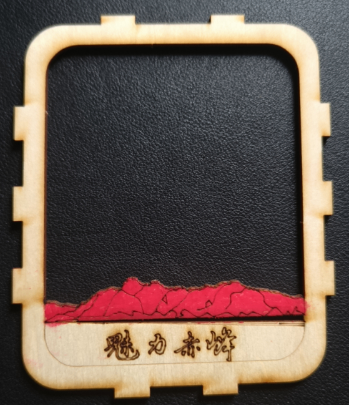
Chifeng, meaning "Red Mountain" in Mongolian, is named after the reddish brown mountain peak in the northeast of the city. Chifeng City was originally part of the Zhaowuda League, which means "hundred willows" in Mongolian and translated into Chinese.
Chifeng, a shining pearl embedded in the the Inner Mongolian Plateau, has attracted countless people's attention with its unique geographical location, rich natural resources and profound cultural heritage,It is a place full of charm.2、 Inspiration source
1.Red Mountain
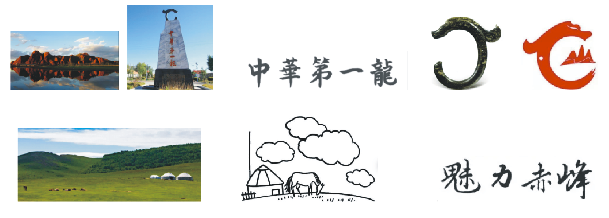
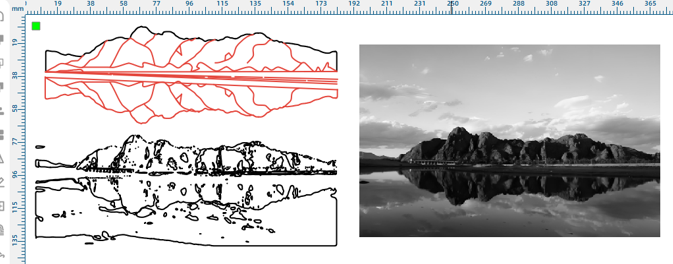
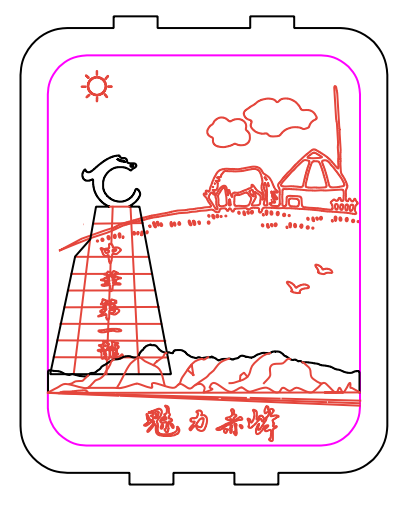
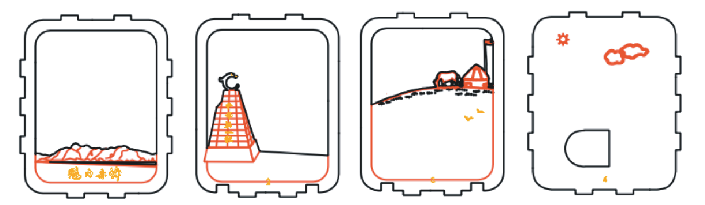
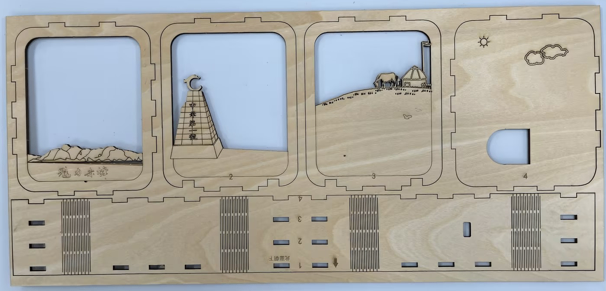
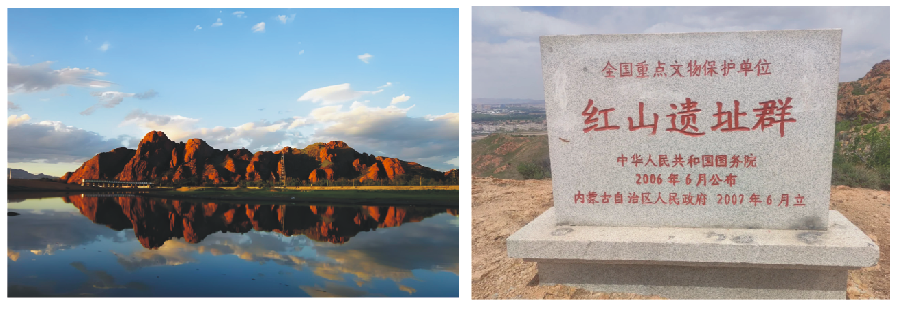
Chifeng Hongshan, located in the northeast corner of Hongshan District, Chifeng City, Inner Mongolia, is called "Ulan Hada" in Mongolian. Ulan is red and red, and Hada means mountain peak. The name Chifeng also comes from "Ulan Hada".
2.The First Dragon of China
[align=center][align=left] The 'First Dragon of China',CXingbi Jade Dragon, unearthed in Wengniute Banner, Chifeng City, the original is now housed in the National Museum of China. This jade dragon is carved from dark green Xiuyan jade, with a smooth and vivid appearance and exquisite carving. It is currently the earliest discovered, largest in size, and most finely crafted dragon shaped jade artifact in China. The 'First Dragon of China' is a iconic artifact of the Hongshan culture. The Hongshan Culture is the most shining star of the Western Liao River civilization, dating back about five to six thousand years and lasting for 1500 years, providing important physical evidence for the origin of Chinese civilization.
The jade artifacts of Hongshan Culture are abundant in quantity, diverse in variety, exquisitely crafted, and have a wide range of themes. In ancient China, there were two major centers of jade culture: Liangzhu in the south and Hongshan in the north. Two cultures, one south and one north, shine together, reflecting the diverse and integrated pattern of the origin of Chinese civilization.
[align=center]

[/align] 3.Beautiful grassland scenery
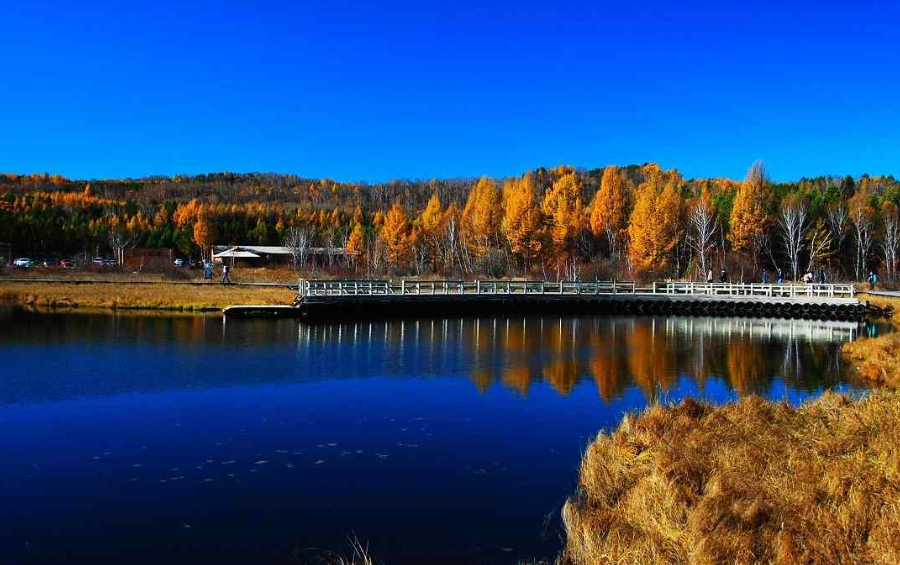
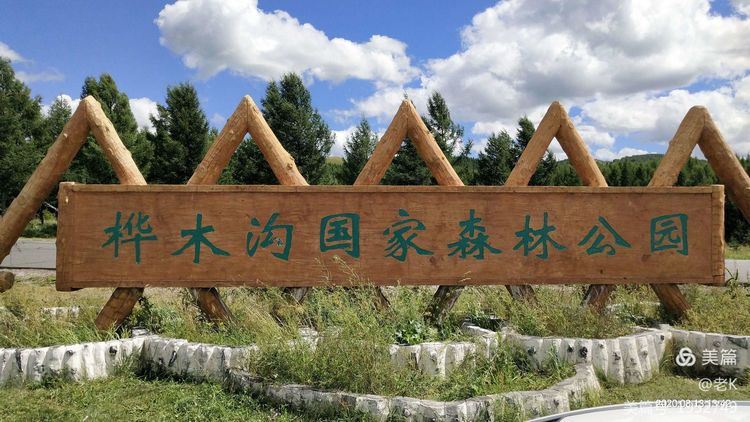
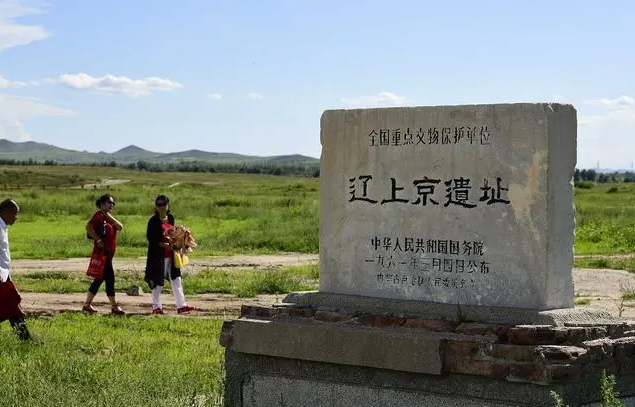
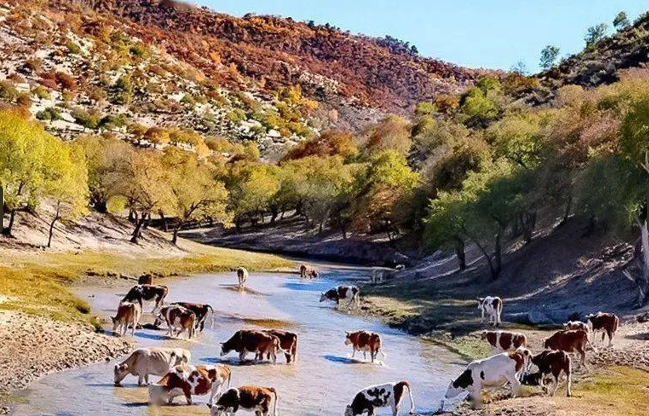
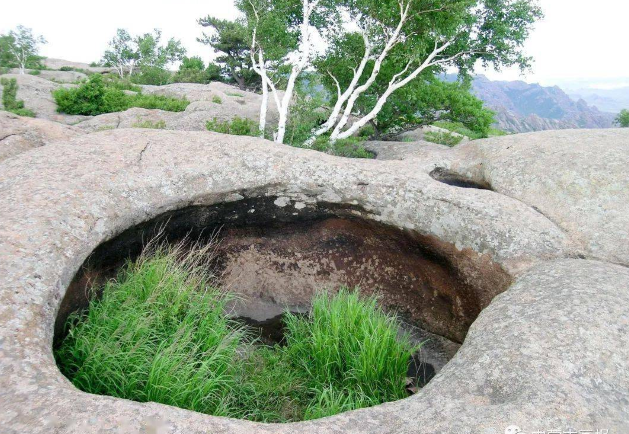
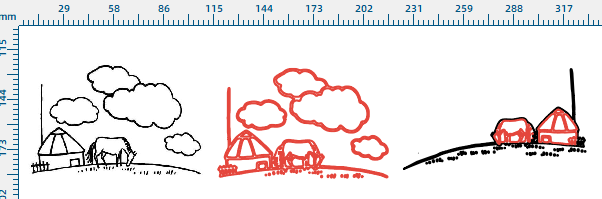
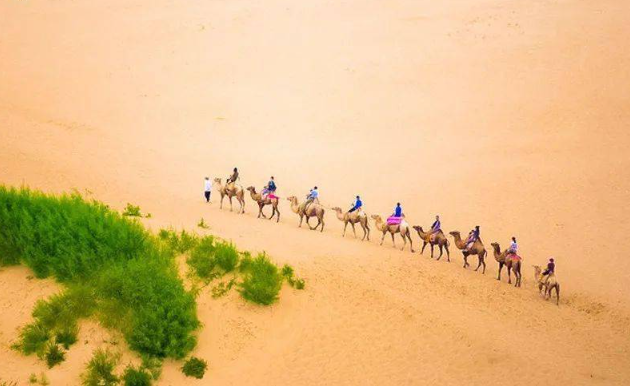
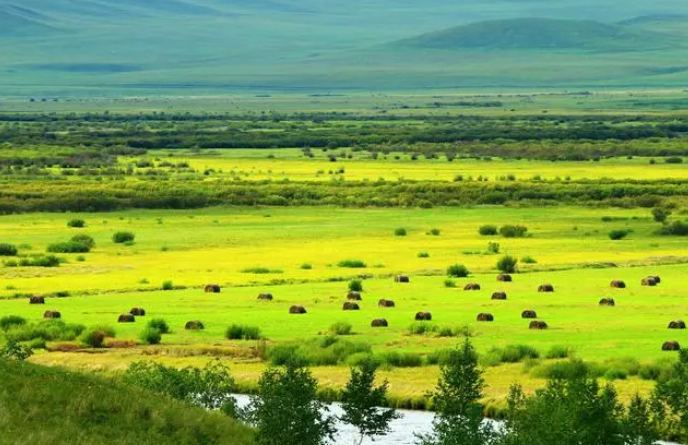
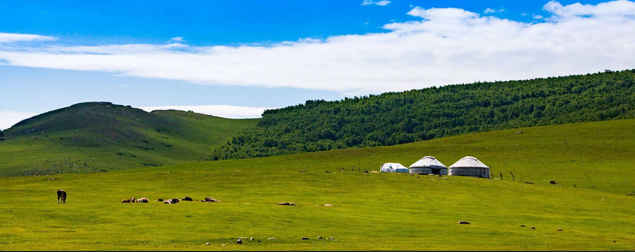
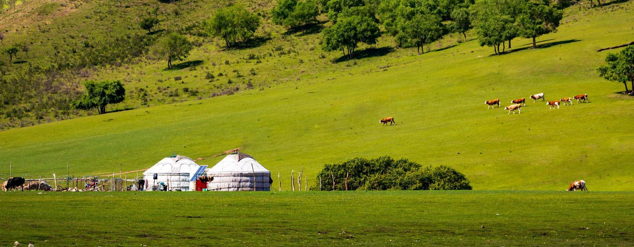
The scenery of Chifeng includes mountains, deserts, grasslands, forests, hot springs, ice and snow, lakes, ice floes, granite forests, rare animals and plants, Mongolian customs, and a wide variety of cultural relics and historic sites. Existing historical and cultural sites from various periods7300Multiple locations, national key cultural relics protection units50Location, National Forest Park6National Nature Reserve8National Water Conservancy Scenic Area8Location, geothermal hot springs3We have a world-class cultural and tourism brand4Here. Famous attractions include Ashatu Stone Forest, Yulongsha Lake, Ulan Butong Grassland, Gonggeer Grassland, Dali Lake, Huamugou National Forest Park, Liaoshangjing Site, Huanggangliang National Forest Park, etc.
[align=center]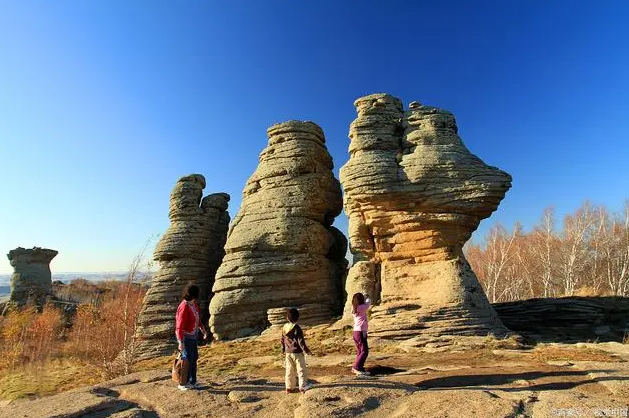
[align=center]
[/align]
[align=center]